
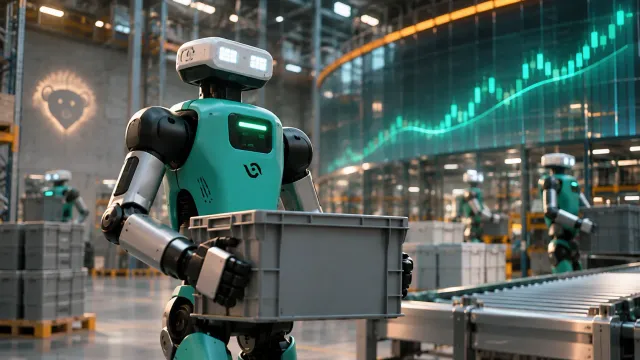
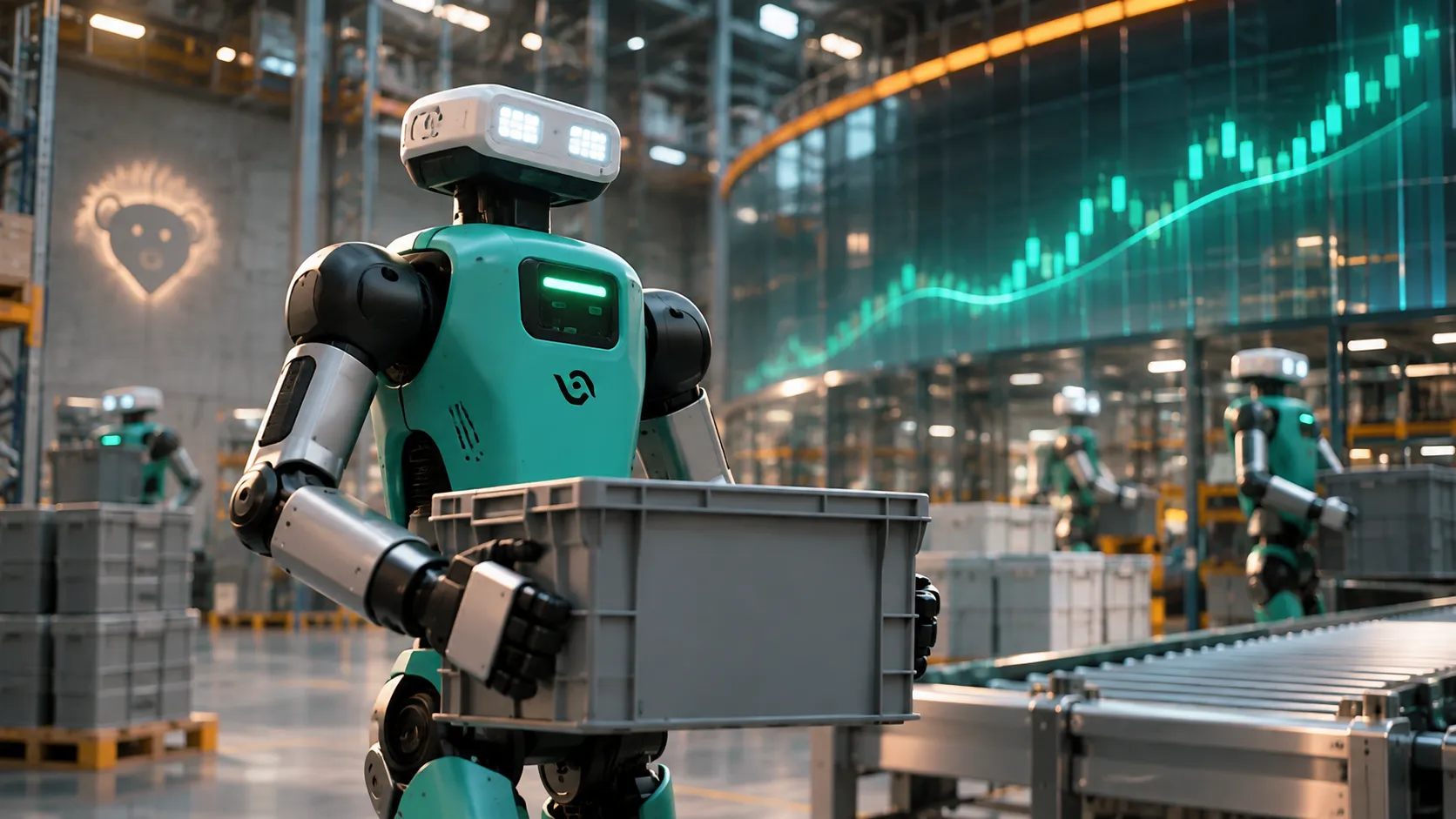
On November 5, 2026, Agility made history by becoming the first company dedicated exclusively to humanoid robotics to go public on the Nasdaq.
What changes with the IPO of a humanoid robotics company?
Agility's IPO marks a milestone for the robotics market, as it inaugurates the presence of companies focused solely on humanoid robots among the listed technology giants. Although there are no exact parallels, IPOs in emerging segments, such as autonomous vehicles or 3D printing companies in the past, have shown that entering the public market can accelerate partnerships, expand research investments, and attract new talent.
Impact for technology professionals: how to prepare for new demands
With humanoid robotics gaining visibility, the need for professionals with multidisciplinary skills is growing. Areas such as embedded programming, sensor integration, motion control, and machine learning are becoming increasingly in demand.
- Programming fundamentals: Master languages like Python and C/C++, common in embedded systems and robotics.
- Electronics and automation: Practice with kits like Arduino and Raspberry Pi, integrating sensors and actuators.
- Computer vision and AI: Study libraries like OpenCV and TensorFlow, used for image recognition and adaptive control.
- Hardware/software integration: Learn to connect physical systems to control algorithms, simulating real scenarios in virtual environments.
- Collaborative projects: Participate in open source communities and hackathons to share experiences and solve practical problems.
- Continuing education: Invest in specialized courses, such as those available on the Hcode course platform, to stay updated on new technologies and methodologies.
In addition to technical knowledge, skills such as communication, teamwork, and adaptation to multidisciplinary environments are differentiators for those wishing to work with humanoid robotics.
Integration of humanoid robotics: applications and practical challenges
Humanoid robots are designed to operate in shared environments with people, performing a variety of tasks that require adaptation and social interaction. In the logistics sector, for example, these robots can be employed for sorting goods in warehouses, but they face challenges such as accurately identifying objects with different shapes and weights, as well as navigating dynamic spaces. Companies that have attempted to implement humanoid robots report difficulties in calibrating sensors in noisy or variably lit environments, as well as the need for constant reprogramming to adapt the robots to new routines.
In healthcare or retail environments, robots designated for public service need to deal with the unpredictability of human behavior, requiring robust navigation algorithms and modules for voice and emotion recognition.
Furthermore, the maintenance of these robots is more complex than in traditional automation systems, as it involves frequent software updates, remote diagnostics, and fine-tuning of sensitive hardware.
How to keep track of opportunities in humanoid robotics: recommended resources and platforms
- Learning platforms: The Hcode course platform offers courses in programming, automation, and artificial intelligence. Other renowned options include Coursera, Udemy, and edX, with specific tracks in robotics, computer vision, and machine learning.
- Simulators and prototyping environments: Tools like Gazebo, Webots, and V-REP allow for simulating humanoid robots in realistic scenarios, facilitating the testing of algorithms before use in real hardware.
- Technical communities: Participate in forums like Stack Overflow, Telegram, or Discord groups focused on robotics, and collaborative projects on GitHub. Universities and robotics clubs also promote challenges and competitions that drive practical learning.
- Fairs and events: Keep an eye on events such as RoboCup, university robotics championships, and meetups focused on human-machine integration to learn about trends and network.
- Certifications and specializations: Seek recognized certifications in embedded systems, AI, and robotic system security, available on specialized platforms.
Using these resources in a structured manner accelerates the development of skills and increases the visibility of professionals in the humanoid robotics ecosystem.
Traditional robotics vs. humanoid robotics: technical and application differences
- Traditional robotics: Designed for repetitive tasks in controlled environments, such as industrial assembly lines. Focuses on precision, efficiency, and predictability.
- Humanoid robotics: Developed to mimic human movements and decisions, operating in dynamic environments and interacting with people. Requires multifunctional sensors, advanced algorithms, and complex integration between hardware and software.
Transitioning to humanoid robotics implies mastering environmental perception, responding to varied stimuli, and enhancing safety protocols, as well as adapting processes to consider social and ergonomic factors.
Frequently asked questions
What does it mean to be a pure humanoid robotics company?
It is a company that focuses its efforts on the development, production, and commercialization of robots inspired by human characteristics, without operating in other segments of robotics.
Why is Agility's IPO seen as a milestone?
Because it is the first time a company dedicated exclusively to humanoid robotics begins trading shares publicly, signaling maturity and the growing relevance of this sector to investors and the technology industry.
What knowledge is most valued for working in humanoid robotics?
Programming, artificial intelligence, computer vision, embedded systems, hardware and software integration, as well as experience in multidisciplinary projects.
Does the source detail which products Agility offers?
The source does not provide details about specific products from Agility.
Conclusion
Agility's debut on the Nasdaq highlights the growth and importance of humanoid robotics in the technology sector. For professionals and students looking to stand out, investing in continuous learning, exploring teaching platforms, and actively participating in technical communities is the most solid path forward. Discover the courses and content from the Hcode course platform and be prepared to keep up with the transformations that humanoid robotics promises to bring to the technology sector.
Source
Agility is the first pure humanoid robot company on the stock market. Are you buying?, TechCrunch, November 5, 2026.