
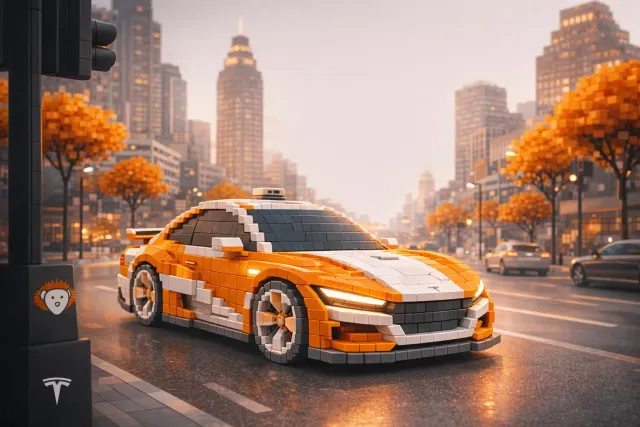
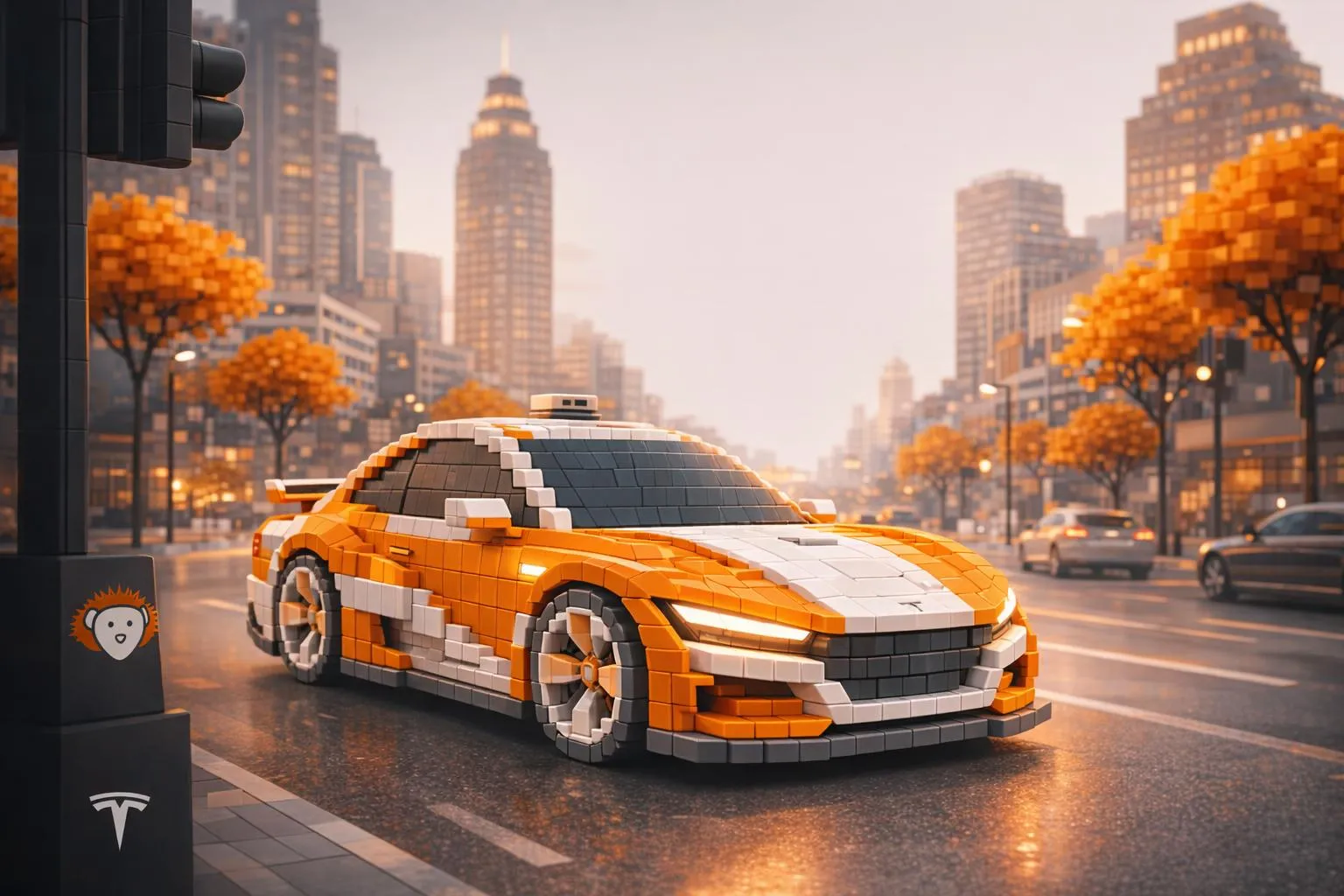
The expansion of Tesla's robotaxi service to San Antonio in November 2026 signals another important step in the application of autonomous vehicles in cities. With San Antonio becoming the fourth city in Texas to have the technology, it reinforces the trend of integrating automated solutions into urban mobility. The highlight is on vehicles without steering wheels and pedals, which brings technical and practical discussions about the necessary infrastructure adaptations, opportunities for local companies, and the role of developers in this new scenario.
Tesla Robotaxis in San Antonio: impacts and adaptations in urban mobility
The arrival of autonomous robotaxis requires cities to rethink their infrastructure and processes.
Opportunities and preparation of local companies
With the expansion of the robotaxi service, technology companies, specialized workshops, and mobility startups find new opportunities for action.
How Tesla's robotaxi works: technical details and comparison with other services
Tesla's robotaxi service utilizes fully autonomous vehicles, operated by artificial intelligence and high-precision sensors, such as cameras and radars. The absence of a steering wheel and pedals eliminates the possibility of direct human intervention, placing all control under the responsibility of the embedded software, which interprets environmental data and makes real-time decisions.
Compared to other companies in the sector, many robotaxi services still maintain manual controls or supervisors on board during testing phases. Tesla's approach, by completely removing physical controls, bets on a 100% automated experience and requires advanced integration between hardware and software. This demands robust perception and planning algorithms, as well as efficient responses to unforeseen situations – a common challenge for all autonomous vehicle projects but intensified in the model without manual redundancy.
Technical challenges and practical examples of urban adaptation
- Detailed mapping: Dedicated teams update digital maps to include temporary obstacles and detours, improving navigation for autonomous vehicles.
- Sensor-readable signage: Signs and signals are standardized to facilitate recognition by cameras and radars, a practice adopted in pilot cities.
- Connectivity and monitoring: The expansion of the 5G network enables real-time communication between vehicles and urban systems, making monitoring more efficient.
- Incident response plans: Specific protocols are created to deal with technical failures and emergency situations, speeding up the resumption of service.
These examples demonstrate the importance of coordinated actions between companies, public agencies, and the community to ensure a safe and efficient transition to autonomous mobility.
Regional expansion in Texas: examples of local responses
Tesla had already launched its robotaxi service in other cities in Texas before San Antonio, following a pattern of regional expansion.
How developers can act in the robotaxi area
The growth of the robotaxi sector opens up space for development professionals in various fronts. Among the main opportunities are:
- System integration: Develop solutions that connect sensors, AI, and mobility applications, focusing on the interoperability of APIs.
- Security and validation: Work on testing algorithms and urban scenario simulations, anticipating potential failures and improving the response of autonomous systems.
- Infrastructure analysis: Contribute to the development of tools that evaluate the impact of connectivity and urban maps on the operation of robotaxis.
- Collaborative projects: Participate in communities that develop and test autonomous driving algorithms, sharing solutions and safety standards.
- Prototyping: Use simulators and open APIs to create applications integrated with urban mobility systems, such as monitoring and traffic analysis apps.
These initiatives allow developers to act practically and strategically in a sector undergoing transformation.
Autonomous robotaxi vs. traditional transport: technical and operational differences
- Total autonomy: The robotaxi eliminates the need for a driver, trusting decisions to AI, while traditional transport relies on manual driving.
- Design and experience: The absence of a steering wheel and pedals allows for new internal layouts, with more space for passengers and different seating configurations.
- Operation and scale: Robotaxis can operate continuously, without mandatory breaks for rest, optimizing fleet usage and reducing operational costs.
- Necessary infrastructure: Integration with intelligent urban systems is fundamental for robotaxis, while traditional transport utilizes a more static infrastructure that is less adapted to automation.
These differences directly impact the development of embedded software, urban planning, and the experience of those using the services.
Frequently asked questions
Is Tesla's robotaxi service available in other cities besides San Antonio?
Yes. Before San Antonio, the service had already been launched in three other cities in Texas, indicating a strategy for regional growth.
Do Tesla's robotaxis really not have steering wheels or pedals?
Correct. The vehicles in the robotaxi service operate without steering wheels and pedals, being fully controlled by autonomous systems.
When did the operation of robotaxis in San Antonio begin?
The operation of Tesla's robotaxi in San Antonio started in November 2026.
How can developers track the evolution of robotaxis?
It is possible to track the evolution through the study of integration technologies, AI security, and analysis of adaptations made in different cities as services advance.
Conclusion
The expansion of Tesla's robotaxis to San Antonio marks a new stage in urban mobility, bringing challenges and opportunities for cities, companies, and technology professionals. For those looking to act in this sector, it is important to invest in system integration, security in artificial intelligence, and analysis of urban infrastructure. To deepen your knowledge about autonomous technology and mobility, access the Hcode course platform.
Source
Tesla expands robotaxi service to San Antonio, TechCrunch, November 9, 2026.